
Discover the cultural significance and vibrant history of Loteria, a traditional Mexican game of chance, with a focus on the iconic card 67A, and its influence across communities.
Loteria: A Traditional Mexican Game of Chance
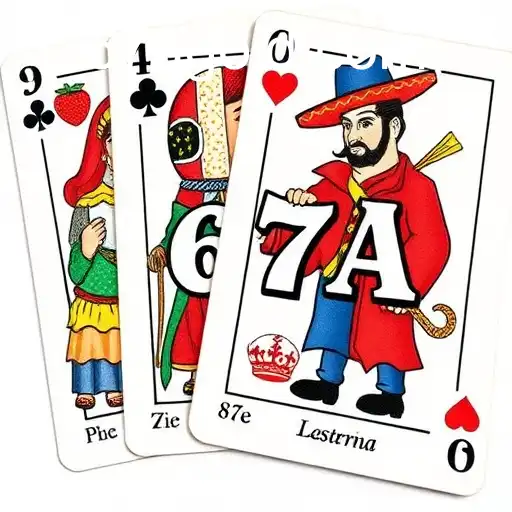
Loteria, often referred to as the "Mexican bingo," is a traditional game that has been cherished across generations in Mexico and among Latino communities around the world. While the essence of the game transcends borders, each element within it is steeped in cultural symbolism and history. The game consists of a deck of cards, each bearing a unique image and label. Among these, one of the iconic cards known as "67A" has garnered attention for its distinctiveness and cultural relevance.63C
The Origins of Loteria
The origins of Loteria can be traced back to Italy in the 15th century, from where it made its way to Spain and eventually to Mexico. It was during the colonial period in Mexico that this game evolved into what we know today, incorporating indigenous and Spanish influences. The game mirrored aspects of society and culture, often reflecting not just everyday objects but also social commentary and artistic expression.
Understanding the Deck: The Significance of Card 67A
Each Loteria deck comprises 54 cards, each adorned with colorful illustrations and a corresponding name. Card 67A holds a special place in this array, symbolizing a unique aspect of the cultural mosaic that Loteria represents. While not universally included in every deck, as traditional sets typically stop at 54, custom decks have embraced innovative additions such as 67A to enhance the gameplay experience.67A
Visual and Cultural Representation
The allure of Loteria cards lies in their visual storytelling. From "La Sirena" (The Mermaid) to "El Catrin" (The Gentleman), each image evokes a specific cultural or societal reference. Card 67A, too, captures an element that players resonate with, often integrating modern references or hyper-local cultural symbols that speak to the community's shared memories and values.67A
The Gameplay Experience
Playing Loteria is akin to participating in a cultural ritual. The game is traditionally conducted by a caller, often with a charismatic presence, who draws cards from the deck and announces them to the players. Participants, each with their own tabla or game board, cover the illustrated tiles with markers as the corresponding cards are called. The first to complete a designated pattern shouts "¡Lotería!", emerging victorious.63C
Community and Social Bonding
More than just a pastime, Loteria serves as a conduit for community bonding. It is often played at family gatherings, celebrations, and community events, fostering an environment of unity and joy. The communal nature of the game ensures that older generations impart stories and cultural knowledge to younger participants, weaving tighter cultural ties through shared experiences.
The Evolution of Loteria in Modern Times
As cultures have blended and societies evolved, so too has Loteria. Modern interpretations often include digital versions, adapting the game for mobile and online platforms, thus preserving its significance in a rapidly changing world. Custom decks frequently add new cards like 67A, ensuring the game stays relevant while reflecting contemporary society and local culture.
In addition to traditional play, some enthusiasts have taken creative liberties, adding alternative rules, or incorporating educational themes that extend the potential of Loteria beyond entertainment to areas such as language learning and cultural education.
Conclusion
In essence, Loteria, with its array of uniquely illustrated cards including the symbolic 67A, serves as a living testament to cultural adaptability, resilience, and unity. As it continues to captivate players with its rich imagery and engaging gameplay, it stands as a vibrant celebration of heritage that bridges past traditions with the present.63C